
Starting a Roofer Search Without Getting Rushed
Typing Commercial Roofer Maintenance near Dallas Texas into a search bar is a common first step after a stormy week; one calm evening of preparation beats a week of hurried calls. A roofing crew is a group of tradespeople who spend their days on slopes, edges and ladders; the way a roof is built shows up in the way it ages.
Ring 972-427-3931 for a first talk about the roof; let us know what you have noticed and where on the house.
Getting Straight Answers From a Roofing Contractor
It is fair to ask who supervises the crew while the work is underway; every job has questions, and the right person to ask should be known in advance. Find out how the crew deals with rotten decking found during tear-off; older homes in the Metroplex hold a few surprises under the shingles.
Learn what the daily cleanup routine looks like before the first day; a roof job produces a lot of debris and the plan for it should be specific. A key question is how the house stays dry if rain arrives halfway through the job; tarps, underlayment and a good plan are the difference between an inconvenience and a flood.
Reading a Written Bid Without a Roofing Background
A clear proposal names the shingle line, the color and the number of layers coming off; general words leave room for arguments later. A fair comparison starts with the same size, the same layers and the same detail work; the lowest-looking bid has to be checked for what was left out.
Check when payment is due and what has to be finished before each installment; the roof is a big project and the paperwork should match its size. Store the paperwork where you can still find it long after the job is done; a record is useful for resale, for repairs and for any question later.
The Weeks After a Big Storm
After a hail storm, trucks from outside the area often park along the street and crews knock on doors; slowing down for a day or two protects a great deal. Ask for a local address and a phone number that reaches a real person; an honest crew expects to be checked and will not mind the wait.
Be careful with paperwork that gives a contractor authority over decisions about a claim with your carrier; the homeowner stays in charge of the home and of the choices about it. Write down what you see while the memory is fresh, and keep the photos in one place; good notes make the roof walk shorter and more useful.
What a Normal Day Looks Like With a Crew on the Roof
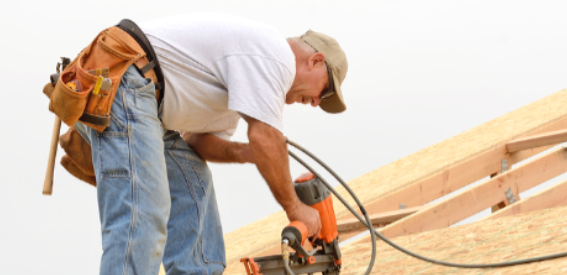
The first morning is spent setting up protection, staging materials and starting tear-off; the sound of nail guns is constant, and pets may need a quiet room. Inside the house, pictures rattle and dust falls from the attic hatch or ceiling; crews work faster when the area around the house is clear.
The daily wrap-up includes protecting the open deck and tidying the work area; a roof dried in each night is a roof that does not leak into the living room. The foreman should be willing to talk through each part of the finished work; photos of the finished roof belong in the project folder.
Matching Shingles, Metal or Tile to the Right Crew
Shingle work is the bread and butter of residential roofing across the Metroplex; specialized work calls for a specialized hand. A fair question is when the crew last worked on a roof like yours; a crew that knows its limits is easier to trust.
Find out whether the crew checks attic ventilation as part of every roof replacement; the layers that nobody sees do a great deal of the work. A roofer who talks plainly about problems is easier to work with than one who talks only about the sale; a good fit is a mix of skill, honesty and willingness to explain.
Rules That Apply Before the First Shingle
Ask how the crew keeps track of permit paperwork during the project; the owner is the one who answers if a requirement is missed. Some subdivisions require a sample or a color name to be approved in advance; the safest plan is to ask the association before choosing a color.
Choose a crew that is comfortable with paperwork as well as with shingles; administrative care and roof care come from the same habits.
When the Answer Is Not a New Roof
A contractor who points out what is still good on the roof is easier to trust; photos from the roof let the owner follow the reasoning. Have the contractor point out worn spots and explain the difference between wear and damage; findings explained in plain words are findings that can be checked.
Two sets of eyes on one roof reveal whether the diagnoses agree; agreement between crews is reassuring. A repair done well extends the life of a roof; good crews do not talk down a small repair.
Calendar Questions Worth Asking
After a major storm, local crews fill their calendars quickly and lead times stretch; being told the truth about the calendar is a sign of respect. Ask how the crew handles delays caused by rain, wind or a late material delivery; owners who know the plan stay calmer through the wait.
The best time to replace a roof is when the roof needs it and a good crew is available; a crew that plans around the weather shows respect for the roof. Sleep on a large decision and call back with questions in the morning; good crews are comfortable giving owners time to think.
What Else Gets Touched During a Roof Job
A good proposal names each flashing and vent so nothing is left to guesswork; a worn small part left in place is hard to track down later. Find out who will repair a gutter that is damaged during tear-off; gutters full of granules and debris are a sign of how the roof is aging.
Heat in the attic is a daily fact of life in the area, and the roof has a role in managing it; a roof that breathes lasts longer than one that traps heat. Mark every item that is unclear and ask the contractor to explain it in plain words; one more careful read takes twenty minutes and can save weeks of frustration.
Putting the Hiring Decision Together
Hiring for Commercial Roofer Maintenance near Dallas Texas comes down to who answered plainly, who put it in writing and who respected the schedule; differences between proposals are easy to see side by side on a table. Set the proposals next to each other and mark every point where they differ; the finalists have already earned a close look by getting this far.
Ring 972-427-3931 to start a conversation without any pressure to decide; ask about anything in this guide and our crew will go through it with you.