
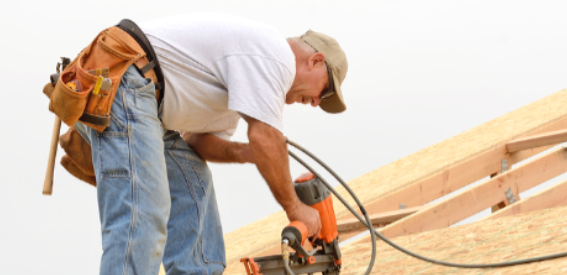
Choosing the Crew That Goes Up on Your Roof
Plenty of homeowners in Frisco Texas begin with a search for Residential Roofer Repair and a list of questions; one calm evening of preparation beats a week of hurried calls. Good roofers know shingles, underlayment, flashing and ventilation as parts of one assembly; rushed installation undermines even a high-grade product.
Contact our team on 972-427-3931 when you are ready; share what prompted the call and how soon the roof needs attention.
What to Ask Each Contractor First
Learn who the foreman is and how to reach that person during the project; every job has questions, and the right person to ask should be known in advance. It helps to ask how the crew will tell you about problems they find under the old roof; agreeing on the method early makes the later conversation simple.
It is reasonable to ask how nails are collected and how the yard is checked at the end; a magnet sweep of the yard is standard on a careful job. Ask how the crew dries in each section before leaving for the day; a clear reply shows whether the crew has done this before.
A Proposal Should Read Like a Plan
Look for the product by name, not just the word shingles; details on paper turn into details on the roof. A fair comparison starts with the same size, the same layers and the same detail work; a long list of exclusions is a reason to ask more questions.
Look at the schedule of payments and how each step is tied to progress on the roof; a large payment far ahead of any work is something to question. Save photographs, emails and text messages as a record of what was agreed; documents answer questions that conversations cannot.
Staying Level-Headed After Hail Hits the Neighborhood
The days after hail see a surge of offers to inspect roofs; being asked to sign something on the spot is the signal to slow down. Look up the business on your own, not through a link the visitor hands you; every legitimate contractor gives the owner time to think.
Signing a contract that hands over decisions about a claim to the contractor should give any owner pause; time spent understanding a form is time well spent. Record the condition of the roof as soon as it is safe to do so; photos taken early show the damage before repairs change it.
Crew Days, Noise and Neighbors
A job starts with deliveries of shingles and underlayment before sunrise or soon after; a house is loud under a roofing crew, especially during tear-off. Plan on a few hours of vibration, and move anything that could fall; a quiet day away from home is the easiest plan for people and pets.
Before leaving, the crew should leave the roof sealed against overnight rain and wind; the habit shows up in the finished work. When the last ridge cap goes on, a final walk with the foreman closes out the job; any concern is easiest to settle while the crew is still there.
Matching the Crew to the Material
Plenty of local crews specialize in shingles and do them well; specialized work calls for a specialized hand. Ask for photos of recent work on the same kind of roof as yours; a crew that knows its limits is easier to trust.
Ventilation, underlayment and flashing deserve as much attention as the shingles you can see; the layers that nobody sees do a great deal of the work. When a crew can explain a decision in plain language, the homeowner feels better about the work; questions are part of the process, and good crews treat them that way.
City Rules and Neighborhood Associations
Ask the crew who is responsible for any permit the city requires and who pays the fee; no one enjoys a stop-work notice halfway through a tear-off. Neighborhood associations often have rules about shingle style, color and the timing of work; approval letters are worth keeping with the rest of the roof paperwork.
Pay attention to how a contractor answers when the topic turns from shingles to forms; a roof is a project with a trail of documents, and someone has to manage it.
A Crew Willing to Say Repair
A good diagnosis starts with the roof, the attic and the leak history instead of a prepared pitch; owners should be able to see for themselves what the crew sees. A thorough crew will walk through the findings with the homeowner on the ground; seeing the evidence turns opinion into information.
A second visit is worth the time when the first recommendation is a full replacement; disagreement between crews is a reason to ask more questions, not to panic. Small repairs deserve the same care as large jobs, and some crews gladly take them; attention to detail is the same on a patch as on a full tear-off.
Timing a Roof Project in This Climate
Calendar questions are best asked early, before the roof gets worse; a realistic date is more useful than an optimistic one. Ask how the crew handles delays caused by rain, wind or a late material delivery; a short phone call is the minimum courtesy when a plan changes.
Wind gusts ahead of a front can halt work on a roof in minutes; seasonal timing matters less than the quality of the work. Take the time to compare proposals, check references and think it over; a roof lasts a long time and the decision deserves matching patience.
What Else Gets Touched During a Roof Job
Pipe boots, vents and drip edge are small parts that decide whether a roof stays tight; a short list in the proposal prevents a long argument later. Find out who will repair a gutter that is damaged during tear-off; edges are where roof and wall meet and where water often gets in.
Ask what the crew recommends for airflow and why; attics in the area routinely run far hotter than the air outside. Confirm that every promise made in conversation appears on paper; what is not on paper is hard to enforce.
From Questions to a Decision
Hiring for Residential Roofer Repair near Frisco Texas comes down to who answered plainly, who put it in writing and who respected the schedule; confidence comes from the folder, not from the sales pitch. Score each contractor on how clearly the visit, the proposal and the follow-up were handled; the crew with the clearest paper shows the clearest work.
Contact our crew on 972-427-3931 whenever the roof moves to the top of your list; we take the time to explain materials, methods and the order of the work.