
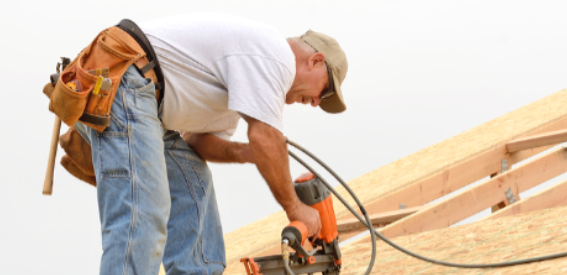
Choosing the Crew That Goes Up on Your Roof
A search for Tar & Gravel Roofer Services in Frisco Texas often starts with a stain, a missing shingle or a neighbor's new roof; a clear idea of the goal makes proposals easier to compare. Behind every finished roof is a crew that tears off, dries in, installs and cleans up; a roof is only as good as the people who lay it.
Phone 972-427-3931 to start the conversation; say whether this is a repair, a replacement or a second opinion.
What to Ask Each Contractor First
Ask which person on site answers questions and makes decisions about the work; clear answers up front prevent confusion once the truck is in the driveway. Ask how the proposal handles extra boards that turn out to be needed; a documented process keeps surprises from becoming disputes.
Ask how gutters, siding and windows are covered before tear-off starts; a roof job produces a lot of debris and the plan for it should be specific. A key question is how the house stays dry if rain arrives halfway through the job; a house is most vulnerable at the moment between tear-off and dry-in.
Reading a Written Bid Without a Roofing Background
Check that the paperwork describes the tear-off, the deck repair method and the disposal; two bids that sound alike can describe two quite different roofs. Compare bids by lining up scope first and totals second; a long list of exclusions is a reason to ask more questions.
Pay attention to whether the proposal ties payment to completed stages of the work; clear terms are easier to follow than warm words. Store the paperwork where you can still find it long after the job is done; a record is useful for resale, for repairs and for any question later.
Door Knockers After a Hail Storm
The days after hail see a surge of offers to inspect roofs; being asked to sign something on the spot is the signal to slow down. Compare what the visitor says with what you can see from the ground and from photos; reputation in a community is hard to fake and easy to look up.
Treat any request for a signature before a written scope as a reason to wait; a contractor and an owner should agree on the work in plain language. Note the date of the storm and where water has appeared inside the house; a clear timeline helps everyone involved understand what happened.
Living in the House While the Roof Is Redone
The first morning is spent setting up protection, staging materials and starting tear-off; noise is part of the job, and a warning to neighbors goes a long way. Inside the house, pictures rattle and dust falls from the attic hatch or ceiling; crews work faster when the area around the house is clear.
Look for a nightly routine that covers the roof, the yard and the driveway; the habit shows up in the finished work. A final inspection together lets the owner ask about anything that looks off; a good crew welcomes questions at this stage.
Matching the Crew to the Material
Plenty of local crews specialize in shingles and do them well; a roof type that is rare locally deserves a crew with proven experience. Ask what the crew has learned from working on roofs of your type in this climate; close-up photos show care that wide shots hide.
Ask how the proposal deals with ridge vents, soffit intake and exhaust fans; moisture and heat do hidden damage when airflow is poor. A good roofer is happy to explain each step in words an owner can follow; a good fit is a mix of skill, honesty and willingness to explain.
City Rules and Neighborhood Associations
It is worth asking who schedules any inspection the city requires after the work; a crew that works in your town knows the local process already. Many neighborhoods set quiet hours for construction work; approval letters are worth keeping with the rest of the roof paperwork.
A contractor who keeps clean records is a safer partner than one who relies on memory; administrative care and roof care come from the same habits.
The Test of a Straight Diagnosis
An honest assessment names what is worn, what is damaged and what is fine; photos from the roof let the owner follow the reasoning. Ask the crew to show you the attic side of any leak they find; a list with photos is easy to share with a second contractor.
Asking a second contractor to look at the same roof is a reasonable step before a large decision; agreement between crews is reassuring. A repair done well extends the life of a roof; minor leaks grow into major damage if they are ignored.
Scheduling, Lead Times and Storm Season Backlogs
Find out how the crew communicates when weather moves the schedule; being told the truth about the calendar is a sign of respect. Ask what the plan is if the crew has to leave the roof tarped for several days; a crew with a process for delays has had delays before.
Late summer heat slows work in the afternoon, and crews adjust their hours; no calendar page tells an owner when a roof should be done. Pressure to sign today is a reason to slow down; confidence comes from checking, and checking takes a day or two.
Details Beyond the Shingles: Gutters, Vents and Skylights
A good proposal names each flashing and vent so nothing is left to guesswork; water finds every gap, no matter how small. Roof and gutters work together, so ask how the crew coordinates the two; rotten fascia boards hide under many old roofs.
Find out whether the crew adds or adjusts vents when replacing a roof; attics in the area routinely run far hotter than the air outside. Before signing, read the proposal once more with a pencil in hand; a clear document protects both sides.
The Last Step Before Signing
Searching for Tar & Gravel Roofer Services in Frisco Texas is easier once the questions, bids and photos are in one folder; differences between proposals are easy to see side by side on a table. Set the proposals next to each other and mark every point where they differ; a decision made from notes is a decision that can be explained later.
Phone 972-427-3931 to set up a roof walk with our crew; ask about anything in this guide and our crew will go through it with you.