
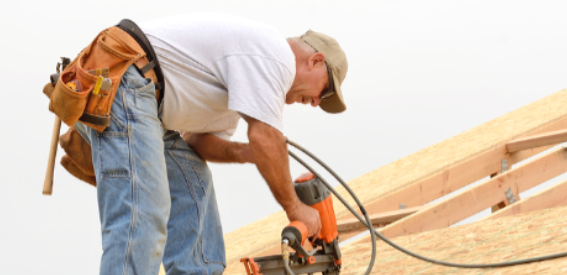
How a Homeowner Picks a Roofing Crew
Reading about Flat Roofer Companies in Services is a sensible way to prepare before any contractor visits; a clear idea of the goal makes proposals easier to compare. Good roofers know shingles, underlayment, flashing and ventilation as parts of one assembly; rushed installation undermines even a high-grade product.
Contact our team on 972-427-3931 when you are ready; share what prompted the call and how soon the roof needs attention.
Questions That Separate Careful Crews From Hurried Ones
Ask which person on site answers questions and makes decisions about the work; a crew that has thought about staffing has thought about the job. It helps to ask how the crew will tell you about problems they find under the old roof; older homes in the Metroplex hold a few surprises under the shingles.
Ask how gutters, siding and windows are covered before tear-off starts; tarps and plywood take the crew time, so the habit says something about their care. Ask how the crew dries in each section before leaving for the day; a calm, specific reply is worth more than a confident promise.
What a Clear Roofing Proposal Looks Like
A useful document states the pitch, the approximate size and each slope being covered; general words leave room for arguments later. A fair comparison starts with the same size, the same layers and the same detail work; the lowest-looking bid has to be checked for what was left out.
Pay attention to whether the proposal ties payment to completed stages of the work; clear terms are easier to follow than warm words. It is wise to hold onto the signed bid and any notes from the roof walk; a folder takes minutes to build and pays off when a question comes up.
Storm Season and the Knock at the Door
Heavy weather in the Metroplex draws a crowd of contractors, and not all of them stay once the work is done; a homeowner is never obliged to decide at the door. Ask neighbors who they used and how the work went; a few minutes of checking is part of hiring anyone to work on a house.
Treat any request for a signature before a written scope as a reason to wait; a document signed in a rush is hard to undo. Note the date of the storm and where water has appeared inside the house; staying organized turns a stressful week into a manageable one.
Getting Ready for the Truck in the Driveway
A typical day starts with tarps, a ladder placement and a short talk about the plan; noise is part of the job, and a warning to neighbors goes a long way. Inside the house, pictures rattle and dust falls from the attic hatch or ceiling; crews work faster when the area around the house is clear.
Before leaving, the crew should leave the roof sealed against overnight rain and wind; a roof dried in each night is a roof that does not leak into the living room. The end of the job should include a walk around the property and a look at the finished roof; the final conversation should be unhurried and thorough.
Matching Shingles, Metal or Tile to the Right Crew
Houses in Services wear asphalt shingles by a wide margin, so residential crews are built around them; specialized work calls for a specialized hand. Find out how often the crew installs your roof type, and ask to see examples; a crew that knows its limits is easier to trust.
Find out whether the crew checks attic ventilation as part of every roof replacement; good airflow is a quiet source of comfort and durability. A roofer who talks plainly about problems is easier to work with than one who talks only about the sale; trust grows from clear communication, one conversation at a time.
Paperwork Beyond the Proposal
A clear answer on permits belongs in the proposal, in writing; a crew that works in your town knows the local process already. An association can have its own list of allowed materials and colors; reading the community rules first prevents an expensive redo.
Choose a crew that is comfortable with paperwork as well as with shingles; details on paper match details on the roof.
Judging a Contractor by How They Diagnose
The best sign of a straight contractor is a recommendation that fits the roof, not the sales target; a diagnosis that matches the evidence is the foundation of a good job. Request close-up pictures of damaged shingles, flashing and vents; visual proof protects both the owner and the crew.
A second visit is worth the time when the first recommendation is a full replacement; owners who compare findings learn more than owners who compare totals. A crew that will fix a few shingles or a flashing detail shows it cares about the roof and not only the big contract; attention to detail is the same on a patch as on a full tear-off.
Planning Around Busy Weeks
Ask when the crew expects to start and what would push the date back; being told the truth about the calendar is a sign of respect. Ask how the crew handles delays caused by rain, wind or a late material delivery; a tarped roof is a temporary measure and the plan should treat it that way.
Late summer heat slows work in the afternoon, and crews adjust their hours; a crew that plans around the weather shows respect for the roof. Pressure to sign today is a reason to slow down; confidence comes from checking, and checking takes a day or two.
What Else Gets Touched During a Roof Job
A careful crew lists every penetration it will seal or replace; a short list in the proposal prevents a long argument later. Ask how the crew protects landscaping beneath the eaves; a plain answer on gutters shows how much thought has gone into the job.
Find out whether the crew adds or adjusts vents when replacing a roof; a good answer here reveals real roofing knowledge. Before signing, read the proposal once more with a pencil in hand; the pencil marks become the questions that make the job go smoothly.
Pulling Your Notes Into One Choice
A shortlist for Flat Roofer Companies in Services is built from clear answers rather than from the loudest advertisement; a simple scorecard of answers, scope and communication beats a gut feeling alone. List what each crew did well and where each one left gaps; a plain scorecard turns a stressful choice into a manageable one.
Call 972-427-3931 when you are ready to talk through the roof with our team; our team would rather answer ten questions than leave one unanswered.