
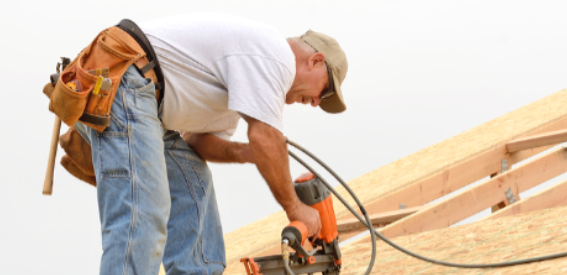
The Person Behind the Ladder: Picking a Roofer
Plenty of homeowners in Services begin with a search for Photovoltaic System Roofer Repair and a list of questions; photos of the problem area save time at the door. Good roofers know shingles, underlayment, flashing and ventilation as parts of one assembly; hiring is really a decision about who will be on the property for several days.
Dial 972-427-3931 and tell our team what you see; mention any recent storm and where water showed up indoors.
Questions Worth Asking Before Anyone Climbs Up
A homeowner can ask how many people will arrive and how long they expect to stay; a crew that has thought about staffing has thought about the job. Ask how the proposal handles extra boards that turn out to be needed; photographs taken from the roof are worth more than a verbal report.
Learn what the daily cleanup routine looks like before the first day; children and pets share the yard, so cleanup is a safety matter too. A key question is how the house stays dry if rain arrives halfway through the job; a calm, specific reply is worth more than a confident promise.
How to Compare Two Roofing Bids Fairly
A clear proposal names the shingle line, the color and the number of layers coming off; vagueness at the bid stage shows up as disagreement at the end. Read the exclusions in each bid, because they explain many gaps between proposals; a long list of exclusions is a reason to ask more questions.
Notice how the document says changes will be agreed and recorded; the roof is a big project and the paperwork should match its size. It is wise to hold onto the signed bid and any notes from the roof walk; a folder takes minutes to build and pays off when a question comes up.
What to Do When a Stranger Offers to Look at Your Roof
The days after hail see a surge of offers to inspect roofs; a homeowner is never obliged to decide at the door. Compare what the visitor says with what you can see from the ground and from photos; reputation in a community is hard to fake and easy to look up.
Treat any request for a signature before a written scope as a reason to wait; the homeowner stays in charge of the home and of the choices about it. Record the condition of the roof as soon as it is safe to do so; staying organized turns a stressful week into a manageable one.
Living in the House While the Roof Is Redone
Work begins once the crew has protected the yard, set up the dumpster and loaded the roof; the sound of nail guns is constant, and pets may need a quiet room. Take down wall hangings and fragile items from the rooms directly under the roof work; attic dust falls everywhere, so covering belongings is worth the minutes.
Each evening the roof should be tarped or covered in underlayment and the yard checked for nails; daily cleanup keeps the project from spreading into the neighborhood. A short walk-through with the crew lead is the best way to close the project; a good crew welcomes questions at this stage.
Choosing for the Material on Your House
Shingle work is the bread and butter of residential roofing across the Metroplex; each material has its own details, tools and failure points. Request photos of finished jobs, including close-ups of flashing and ridge details; honest answers on experience save headaches on the roof.
Ask how the proposal deals with ridge vents, soffit intake and exhaust fans; a roof is a system, and every part depends on the others. The best contractors take time to explain materials, methods and tradeoffs; the homeowner should end every conversation knowing more than before.
Who Pulls the Permit and Who Talks to the HOA
Ask how the crew keeps track of permit paperwork during the project; permit paperwork is dull, and dull paperwork is where gaps appear. Deed restrictions around Services sometimes say more about the roof than the owner expects; reading the community rules first prevents an expensive redo.
A contractor who keeps clean records is a safer partner than one who relies on memory; details on paper match details on the roof.
The Test of a Straight Diagnosis
The best sign of a straight contractor is a recommendation that fits the roof, not the sales target; a diagnosis that matches the evidence is the foundation of a good job. Ask the crew to show you the attic side of any leak they find; visual proof protects both the owner and the crew.
A second visit is worth the time when the first recommendation is a full replacement; the roof does not change between visits, so the findings should line up. A repair done well extends the life of a roof; a relationship that starts small builds trust for the larger job.
Planning Around Busy Weeks
Calendar questions are best asked early, before the roof gets worse; waiting for a good crew is often better than hiring the first one available. Agree on how the crew will tell you when a start date moves; a tarped roof is a temporary measure and the plan should treat it that way.
Wind gusts ahead of a front can halt work on a roof in minutes; a patient owner has more choices than a hurried one. A good contractor does not need a decision on the same day; a roof lasts a long time and the decision deserves matching patience.
Add-Ons and Accessories Worth Discussing
Ask whether new drip edge, pipe boots and vents are included in the proposal; a worn small part left in place is hard to track down later. Roof and gutters work together, so ask how the crew coordinates the two; edges are where roof and wall meet and where water often gets in.
Find out whether the crew adds or adjusts vents when replacing a roof; good ventilation is easy to miss and hard to fix later. Make sure the start window, the scope and the payment terms all match what you discussed; a contractor who welcomes the review is a good sign.
Narrowing the List to One Crew
The search for Photovoltaic System Roofer Repair across Services ends well when an owner trusts the process more than the pitch; a simple scorecard of answers, scope and communication beats a gut feeling alone. Decide which two or three points matter most to your household and weigh the crews against them; weights matter because no crew is perfect at everything.
Reach our team at 972-427-3931 and bring your notes and photos to the call; we take the time to explain materials, methods and the order of the work.