
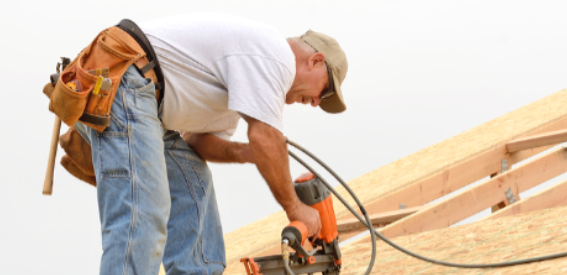
Starting a Roofer Search Without Getting Rushed
Looking up Residential Roofer Services around Services is where many roof projects begin; a short list of concerns keeps every visit on topic. Good roofers know shingles, underlayment, flashing and ventilation as parts of one assembly; the way a roof is built shows up in the way it ages.
Reach our crew at 972-427-3931; mention any recent storm and where water showed up indoors.
Before the Ladder Goes Up: Ask These
It is fair to ask who supervises the crew while the work is underway; clear answers up front prevent confusion once the truck is in the driveway. Find out how the crew deals with rotten decking found during tear-off; agreeing on the method early makes the later conversation simple.
A good question is how the crew keeps shingle debris off flower beds and walkways; the ground around a house is part of the work site. A key question is how the house stays dry if rain arrives halfway through the job; schedules slip in this climate, and a crew that says otherwise is not being straight.
A Proposal Should Read Like a Plan
Check that the paperwork describes the tear-off, the deck repair method and the disposal; general words leave room for arguments later. When two bids differ widely, look for what is missing before deciding who is right; the lowest-looking bid has to be checked for what was left out.
Check when payment is due and what has to be finished before each installment; a large payment far ahead of any work is something to question. Ask for the bid in a form you can keep, such as a printed copy or an email; a folder takes minutes to build and pays off when a question comes up.
The Weeks After a Big Storm
After a hail storm, trucks from outside the area often park along the street and crews knock on doors; being asked to sign something on the spot is the signal to slow down. Look up the business on your own, not through a link the visitor hands you; every legitimate contractor gives the owner time to think.
Treat any request for a signature before a written scope as a reason to wait; time spent understanding a form is time well spent. Keep a simple log of the storm date, the damage and the people you spoke with; the owner is the one person who was there before the repairs began.
What to Expect From Start to Finish
Work begins once the crew has protected the yard, set up the dumpster and loaded the roof; summer afternoons on a roof are brutal, so a smart schedule respects the heat. Take down wall hangings and fragile items from the rooms directly under the roof work; crews work faster when the area around the house is clear.
Before leaving, the crew should leave the roof sealed against overnight rain and wind; a tidy end of day signals a well-run job. When the last ridge cap goes on, a final walk with the foreman closes out the job; photos of the finished roof belong in the project folder.
Matching Shingles, Metal or Tile to the Right Crew
Plenty of local crews specialize in shingles and do them well; a crew that is strong at shingles is not automatically the right choice for metal. Request photos of finished jobs, including close-ups of flashing and ridge details; specialists answer quickly and clearly.
Look for a crew that talks about the whole roof system and not just the top layer; a roof is a system, and every part depends on the others. A roofer who talks plainly about problems is easier to work with than one who talks only about the sale; choose the crew that makes the roof feel understandable.
The Administrative Side of a New Roof
Check who takes responsibility if the city asks questions about the work; a crew that works in your town knows the local process already. Some subdivisions require a sample or a color name to be approved in advance; a crew matches what the owner tells it about the rules.
Choose a crew that is comfortable with paperwork as well as with shingles; details on paper match details on the roof.
Judging a Contractor by How They Diagnose
The best sign of a straight contractor is a recommendation that fits the roof, not the sales target; photos from the roof let the owner follow the reasoning. Request close-up pictures of damaged shingles, flashing and vents; a clear record makes the repair proposal easier to judge.
Asking a second contractor to look at the same roof is a reasonable step before a large decision; owners who compare findings learn more than owners who compare totals. Small repairs deserve the same care as large jobs, and some crews gladly take them; a modest job still deserves a written scope.
Calendar Questions Worth Asking
Find out how the crew communicates when weather moves the schedule; a temporary tarp protects the house while the owner waits. Find out who calls when the schedule changes and how much notice to expect; a tarped roof is a temporary measure and the plan should treat it that way.
Late summer heat slows work in the afternoon, and crews adjust their hours; seasonal timing matters less than the quality of the work. Take the time to compare proposals, check references and think it over; good crews are comfortable giving owners time to think.
Details Beyond the Shingles: Gutters, Vents and Skylights
Chimneys, skylights and wall joints each deserve a line of their own in the scope; water finds every gap, no matter how small. Gutters are tied to the roof edge, and the crew should say how they will be handled; edges are where roof and wall meet and where water often gets in.
Attic ventilation, bath fan ducts and radiant barrier choices all connect to the new roof; a good answer here reveals real roofing knowledge. Make sure the start window, the scope and the payment terms all match what you discussed; the pencil marks become the questions that make the job go smoothly.
The Last Step Before Signing
Searching for Residential Roofer Services in Services is easier once the questions, bids and photos are in one folder; a simple scorecard of answers, scope and communication beats a gut feeling alone. Rank the crews on communication, written scope and willingness to explain; the crew with the clearest paper shows the clearest work.
Contact our crew on 972-427-3931 whenever the roof moves to the top of your list; we take the time to explain materials, methods and the order of the work.