
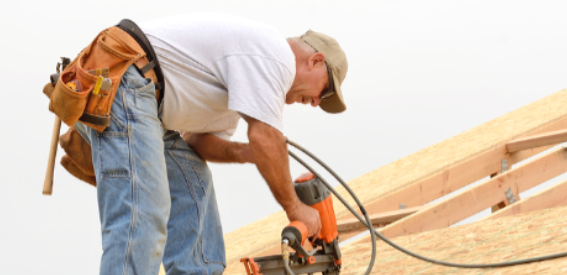
Finding a Roofing Crew You Can Work With
Plenty of homeowners in Services begin with a search for Roofer Contractors and a list of questions; the first conversation goes better when the questions are written down. Residential roof work is physical, weather-dependent and detail-heavy from the first nail to the last; hiring is really a decision about who will be on the property for several days.
Phone 972-427-3931 to start the conversation; give the address and the kind of roof overhead.
What to Ask Each Contractor First
Ask which person on site answers questions and makes decisions about the work; every job has questions, and the right person to ask should be known in advance. Ask what happens when the old shingles come off and the deck underneath looks soft; a documented process keeps surprises from becoming disputes.
A good question is how the crew keeps shingle debris off flower beds and walkways; children and pets share the yard, so cleanup is a safety matter too. A key question is how the house stays dry if rain arrives halfway through the job; a house is most vulnerable at the moment between tear-off and dry-in.
How to Compare Two Roofing Bids Fairly
Look for the product by name, not just the word shingles; details on paper turn into details on the roof. When two bids differ widely, look for what is missing before deciding who is right; the right comparison is between equal jobs and not between numbers.
Pay attention to whether the proposal ties payment to completed stages of the work; a vague clause on extras is where roof disputes begin. Ask for the bid in a form you can keep, such as a printed copy or an email; memory fades faster than files do.
Staying Level-Headed After Hail Hits the Neighborhood
Heavy weather in the Metroplex draws a crowd of contractors, and not all of them stay once the work is done; slowing down for a day or two protects a great deal. Ask for a local address and a phone number that reaches a real person; reputation in a community is hard to fake and easy to look up.
Be careful with paperwork that gives a contractor authority over decisions about a claim with your carrier; reading every line is the single best protection an owner has. Write down what you see while the memory is fresh, and keep the photos in one place; the owner is the one person who was there before the repairs began.
What to Expect From Start to Finish
Crews like to start in the cool of the morning and work through the heat in shifts; summer afternoons on a roof are brutal, so a smart schedule respects the heat. Take down wall hangings and fragile items from the rooms directly under the roof work; a bit of preparation spares the household a lot of cleanup.
Before leaving, the crew should leave the roof sealed against overnight rain and wind; a roof dried in each night is a roof that does not leak into the living room. The end of the job should include a walk around the property and a look at the finished roof; a finished roof is a fine time to ask how to care for it.
Roof Types and the People Who Install Them
Houses in Services wear asphalt shingles by a wide margin, so residential crews are built around them; a crew that is strong at shingles is not automatically the right choice for metal. Ask which roof types the crew is happy to turn down; a track record on your material is worth more than a general claim.
A thoughtful crew explains how air moves through the attic and how the roof is vented; the layers that nobody sees do a great deal of the work. A good roofer is happy to explain each step in words an owner can follow; a good fit is a mix of skill, honesty and willingness to explain.
Paperwork Beyond the Proposal
Ask how the crew keeps track of permit paperwork during the project; a crew that works in your town knows the local process already. Homes in a community with an association may need approval before a new roof goes on; a call to the management office takes a few minutes.
A contractor who keeps clean records is a safer partner than one who relies on memory; the way a business handles forms says something about how it handles ladders.
When the Answer Is Not a New Roof
An honest assessment names what is worn, what is damaged and what is fine; owners should be able to see for themselves what the crew sees. Ask to see photos of the problem areas and ask what each one means; a list with photos is easy to share with a second contractor.
Asking a second contractor to look at the same roof is a reasonable step before a large decision; owners who compare findings learn more than owners who compare totals. Not every contractor wants a small repair, so ask early; attention to detail is the same on a patch as on a full tear-off.
When the Crew Can Start and Why It Varies
Ask when the crew expects to start and what would push the date back; being told the truth about the calendar is a sign of respect. The proposal should say what happens when the work is paused for weather; a short phone call is the minimum courtesy when a plan changes.
Every season in the area has its own challenge for a roofing crew; no calendar page tells an owner when a roof should be done. A good contractor does not need a decision on the same day; good crews are comfortable giving owners time to think.
Details Beyond the Shingles: Gutters, Vents and Skylights
A good proposal names each flashing and vent so nothing is left to guesswork; reusing old flashing under new shingles is a shortcut worth asking about. Check whether any trim or fascia boards will be replaced along with the roof; rotten fascia boards hide under many old roofs.
Attic ventilation, bath fan ducts and radiant barrier choices all connect to the new roof; attics in the area routinely run far hotter than the air outside. Check that the proposal names the product, the color and the extras you agreed on; one more careful read takes twenty minutes and can save weeks of frustration.
Pulling Your Notes Into One Choice
Hiring for Roofer Contractors near Services comes down to who answered plainly, who put it in writing and who respected the schedule; differences between proposals are easy to see side by side on a table. Score each contractor on how clearly the visit, the proposal and the follow-up were handled; a plain scorecard turns a stressful choice into a manageable one.
Call 972-427-3931 when you are ready to talk through the roof with our team; ask about anything in this guide and our crew will go through it with you.