
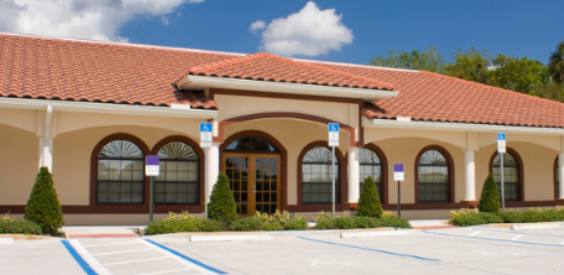
When a Roof Needs a Repair and When It Needs More
Owners comparing Commercial Roofs in Frisco Texas are really weighing a smaller job against a bigger one; a full new roof is the right call when the problems are spread across the whole surface. A slow walk around the property shows the roof from every direction; uneven color, bare patches and lifted edges are visible from a distance. Call 972-427-3931 to talk through your roof with our crew; mention where water has shown up and when it started.
Stains, Spots and Smells Under the Roof
Peeling paint near the top of a wall or around a vent often means moisture is getting in; a dry attic after a storm is good news worth confirming. Shine a light along the rafters and notice anything that looks wet or discolored; wood that is dark and soft is wood that has been wet for a while.
Damage You Can See Without Climbing
Bare spots where granules have worn away leave the asphalt exposed to the sun; patterns across the slope tell a different story from one-off marks. Rubber pipe boots split in the sun and let water run down the pipe into the attic; sealant is a maintenance item and not a permanent fix.
When a Repair Makes Sense
Storm damage that affects one slope can often be handled slope by slope; the roof around the repair should be checked to make sure it is sound. Fixing a leak is smart, but fixing the cause is smarter; a repair that keeps repeating is a sign of a larger problem.
When Replacement Is the Honest Answer
Soft, spongy decking found during repair work is a reason to consider replacement; owners often feel relieved once the question of the roof is settled. Wind can tear off large sections of shingles and lift whole courses; the right decision follows the evidence on the roof, not the sales pitch.
Weighing the Choice Without Pressure
List the problems you know about and see whether a repair addresses every one of them; an honest answer includes both what the work fixes and what it leaves alone. Weigh the repair against the chance of another leak next season; a buyer will look at the roof closely, and records help.
Planning a Replacement in Sections
Phasing a project lets an owner spread the work over more than one season; a crew that offers options is respecting the owner's situation. Be wary of a plan that puts new shingles beside old ones without a clear reason; mismatched sections stand out, and some owners care a lot about that.
When a Membrane Roof Needs Attention
Drains that are clogged or sit above the surrounding roof hold water where it should not be; cleaning the drains is the simplest maintenance a flat roof can have. Coatings can extend the life of a membrane that is still sound underneath; a coating on a wet roof traps moisture and makes the problem worse.
Getting Ahead of the Weather
Planning ahead gives an owner time to compare crews and materials; a crew with an open calendar has more time to explain the work. Take notes on what each crew says and compare the explanations; a short visit can save a large repair later.
Expected Life Versus Real Life
Hot attics bake shingles from below, and poor ventilation shortens the life of the surface; a roof that has been maintained lasts closer to its expected life. A roof past its expected life is a candidate for replacement even if it looks fine; an honest look at the roof is the start of an honest decision.
How Hail Leaves Its Mark
Hail leaves dents in soft metal such as vents, flashing, gutters and ridge caps; the pattern of marks tells a crew the direction of the storm. A crew that inspects after hail looks for fractured mats, not just visible holes; the roof tells the story if someone takes the time to read it.
Gusts, Creases and Torn Tabs
Metal panels and trim pieces can peel back at the edges when wind gets underneath; the damage often looks minor from below, so a close look matters. Debris from the storm, such as limbs, fence boards and roofing from other houses, hits roofs on every street; trees close to the house are a risk worth managing before the next storm.
The Patient Work of Tracing a Leak
The spot where water shows up inside sits several feet from where it entered; two people with a hose can reproduce a leak on demand. One person runs the hose on a small section while another watches the attic for drips; the process takes time, and rushing it leads to false answers.
Temporary Fixes and Permanent Ones
A tarp that is not secured properly can blow off in the next gust and make matters worse; the plan for the permanent repair should be set before the tarp goes on. Proper repairs go down to the deck and rebuild each layer in order; a record of the work is useful if the roof is looked at again.
What Buyers and Inspectors Look For on a Roof
Buyers pay attention to the roof, and a roof in poor condition becomes a negotiation point; many sales are delayed by roof questions that could have been answered earlier. Decide before listing whether the roof needs a repair, a replacement or just a clean report; a crew can tell an owner which items matter most to inspectors.
Code Items and Upgrades During Replacement
Local codes set requirements for underlayment, drip edge and fastening that a new roof must meet; adding missing parts gives the new roof a better chance of lasting. Ask which items from the old roof will be reused and which will be new; a thorough list makes proposals easy to compare.
Looking After the Roof Once the Decision Is Made
Look at the ceilings and the attic after the first storm that follows the job; a set of matching photos shows change over time better than memory does. Put the proposal and any notes from the crew in the same folder as the photographs; a record makes the next repair simpler and the next conversation shorter.
From Signs to a Decision
Choosing among options for Commercial Roofs in Frisco Texas is a matter of matching the work to the evidence; write down what you saw, where you saw it and when it started. Call 972-427-3931 to talk through the repair-or-replace question with our crew; tell us what you have seen and we will explain what it means in plain words.